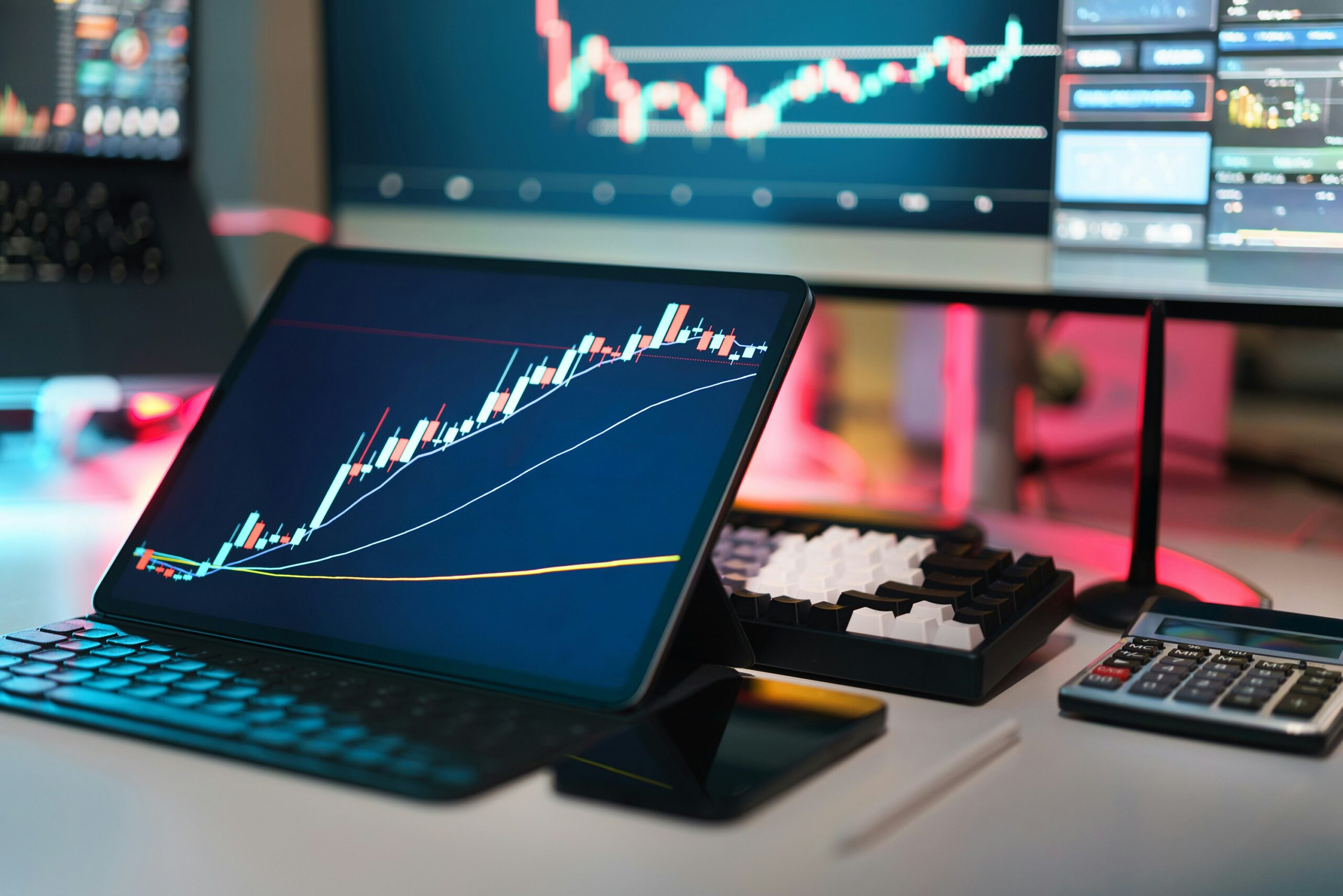
Market Volatility affects every investor at some point. Prices rise quickly, then fall without warning. As a result, many people feel pressure to make fast decisions. However, successful investors understand that market swings create both risks and opportunities. Instead of reacting with fear, they adjust their investment strategy with care and purpose.
A smart approach focuses on long-term goals while responding to changing market conditions. Moreover, it helps investors protect their assets and find new growth opportunities. When Market Volatility increases, thoughtful planning becomes more important than ever. Investors who stay disciplined often make better decisions and achieve stronger results over time.
Understanding the Nature of Market Volatility
Market Volatility refers to the speed and size of price changes in financial markets. These changes can occur due to economic reports, interest rate decisions, global events, company earnings, or shifts in investor confidence. Although sudden price movements can seem alarming, they remain a normal part of investing.
Many investors view volatility as a threat. Yet experienced investors often see it as useful information. Price changes reveal how markets respond to new conditions. Therefore, investors can use these signals to review their portfolios and make strategic adjustments.
It is also important to remember that volatility does not always mean a market downturn. Markets can move sharply in either direction. Because of this, investors should avoid making assumptions based on short-term trends alone. Instead, they should evaluate the broader picture before taking action.
Staying Focused on Long-Term Goals
One of the most effective ways to handle Market Volatility is to keep attention on long-term objectives. Market conditions may change every day, but financial goals often remain the same. Whether the goal involves retirement, education funding, or wealth building, a clear plan provides stability during uncertain periods.
Many investors make mistakes when they allow emotions to drive decisions. Fear can encourage unnecessary selling, while excitement can lead to risky purchases. Consequently, emotional reactions often reduce investment performance.
A long-term perspective helps investors avoid these traps. Rather than responding to every market headline, they focus on their strategy and timeline. In addition, they understand that temporary declines do not always reflect the future value of their investments. This mindset supports consistency and confidence even during challenging market environments.
Strengthening Risk Management Practices
Risk management plays a critical role during Market Volatility. Investors should regularly assess how much risk they can comfortably handle. Since financial situations and goals change over time, risk tolerance may also shift.
A balanced portfolio can reduce exposure to sudden market swings. Furthermore, investors should avoid concentrating too much money in a single asset, sector, or company. Spreading investments across different areas can help reduce potential losses when one segment experiences weakness.
Cash reserves also contribute to effective risk management. Maintaining adequate liquidity provides flexibility and reduces the need to sell investments during unfavorable market conditions. As a result, investors gain more control over their financial decisions.
Regular portfolio reviews also support better risk management. By examining performance and allocation, investors can identify areas that require adjustment before small issues become larger problems.
Using Portfolio Diversification Effectively
Diversification remains one of the most valuable tools for managing Market Volatility. A diversified portfolio includes different asset classes that may respond differently to economic conditions. Therefore, weakness in one area may be balanced by strength in another.
Diversification does not eliminate risk. However, it can reduce the impact of extreme market movements. Investors who spread their investments wisely often experience more stable performance over time.
In addition, diversification encourages a broader perspective. Instead of relying on a single investment outcome, investors create multiple paths toward financial growth. This approach supports resilience and reduces dependence on any one market trend.
When reviewing diversification, investors should consider both domestic and international opportunities. They should also evaluate various industries and asset types to ensure balanced exposure.
Identifying Opportunities During Uncertainty
While many people focus on the dangers of Market Volatility, smart investors also recognize potential opportunities. Market declines can create attractive entry points for high-quality investments. Consequently, investors who remain patient may find valuable assets available at lower prices.
Research becomes especially important during uncertain periods. Investors should evaluate fundamentals, financial strength, and long-term growth potential before making decisions. Rather than chasing short-term market movements, they should focus on quality and value.
Dollar-cost averaging can also support adjustments to investment strategies. By investing consistently over time, investors reduce the impact of short-term price fluctuations. Moreover, this method encourages discipline and removes some of the pressure associated with timing the market.
Patience often produces better outcomes than impulsive action. Therefore, investors should view volatility as a chance to reassess opportunities rather than a reason to panic.
Adapting Investment Strategy to Changing Conditions
Smart adjustments to investment strategies require flexibility without abandoning core objectives. Economic conditions evolve, and investment plans should adapt when necessary. However, adjustments should reflect careful analysis rather than emotional reactions.
Investors may decide to rebalance portfolios when asset allocations move too far from their intended targets. Rebalancing helps maintain the desired level of risk while keeping investments aligned with long-term goals.
Additionally, changing market conditions may highlight sectors or industries with stronger growth potential. Investors can evaluate these opportunities while maintaining a diversified portfolio. At the same time, they should avoid excessive speculation and focus on sustainable growth.
Continuous learning also supports better decision-making. Investors who stay informed about economic trends and market developments often feel more prepared to respond effectively when conditions change.
Building Confidence Through Discipline
Market Volatility will always remain part of investing. However, investors can successfully navigate uncertainty through planning, discipline, and smart adjustments to investment strategies. By focusing on long-term goals, strengthening risk management, maintaining diversification, and carefully identifying opportunities, they create a stronger foundation for financial success.
The most successful investors do not try to predict every market movement. Instead, they develop strategies that can withstand changing conditions. Furthermore, they remain committed to their goals while making thoughtful adjustments when necessary.
Market Volatility may create challenges, but it also encourages smarter decision-making. Investors who stay patient, informed, and disciplined position themselves for long-term growth and greater financial confidence.